The honest guide to relocating to Chattanooga - cost of living, neighborhoods, jobs, schools, weather, and the downsides nobody mentions in the tourism brochures.
So You're Thinking About Moving to Chattanooga
\nPeople move to Chattanooga for one of three reasons: they visited once and couldn't get it out of their head, their company offered remote work and they started Googling "affordable mountain cities," or they grew up somewhere nearby and finally admitted this is where they want to land.
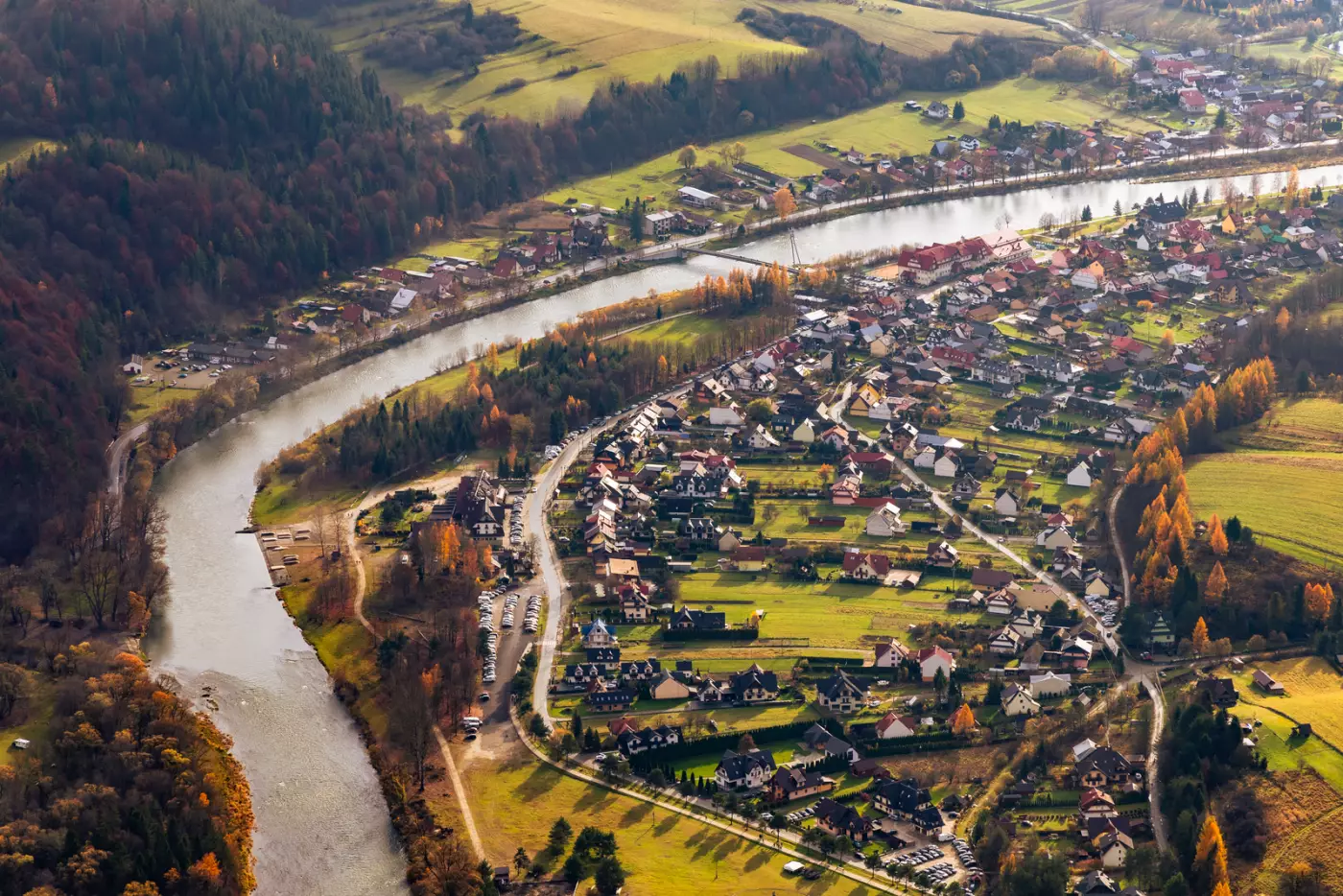
\nWhatever brought you here, good call. Chattanooga has spent the last 15 years turning itself from a rust belt casualty into one of the most livable mid-size cities in the Southeast. And it didn't do it by becoming a mini-Nashville or a budget Austin. It did it by doubling down on the things that were already here - the river, the mountains, the tight-knit neighborhoods, and a downtown that people actually use.
\nHere's what you need to know before you make the move.
\n\nCost of Living: The Real Numbers
\nChattanooga's cost of living runs about 10-15% below the national average, depending on which index you check. Compared to Nashville, you'll save roughly 20-25% on housing. Compared to Atlanta, even more.
\nHere's what that looks like in practice:
\n- \n
- Rent: A one-bedroom apartment downtown or on the North Shore runs $1,200-$1,600. In the suburbs (East Brainerd, Hixson), you're looking at $900-$1,300. \n
- Buying: Median home price hovers around $320,000-$350,000 as of early 2026. Starter homes in neighborhoods like Red Bank or East Ridge can still be found under $250,000. \n
- Groceries: About 5% below national average. Publix and Food City are the big chains. Hit the Chattanooga Market on Sunday mornings for local produce. \n
- No state income tax. Tennessee doesn't tax your wages. This is the single biggest financial advantage of living here, especially if you're making a remote salary from a higher-cost-of-living state. \n
The catch? Property taxes in Hamilton County aren't cheap. They're not the highest in Tennessee, but combined with your state and county taxes, you'll want to factor that into your home buying budget. Also, car insurance tends to run a bit higher than the national average.
\n\nWhere to Live: Neighborhoods That Actually Matter
\nChattanooga's neighborhoods each have their own personality. Here's the honest version - not the real estate agent pitch.
\n\nDowntown
\nDowntown Chattanooga is walkable, fun, and expensive. If you want to walk to restaurants, the Aquarium, and the riverfront, this is it. But you're paying a premium, and parking can be a headache. Best for: young professionals, couples without kids, people who want urban walkability.
\n\nNorth Shore
\nNorth Shore has the energy of downtown but feels more residential. Frazier Avenue has coffee shops, restaurants, and boutiques. Coolidge Park and Stringer's Ridge give you green space right outside your door. Housing is tight and prices reflect the demand. Best for: families who want walkability, outdoor enthusiasts, people who want neighborhood vibes without suburban sprawl.
\n\nSouthside / Main Street
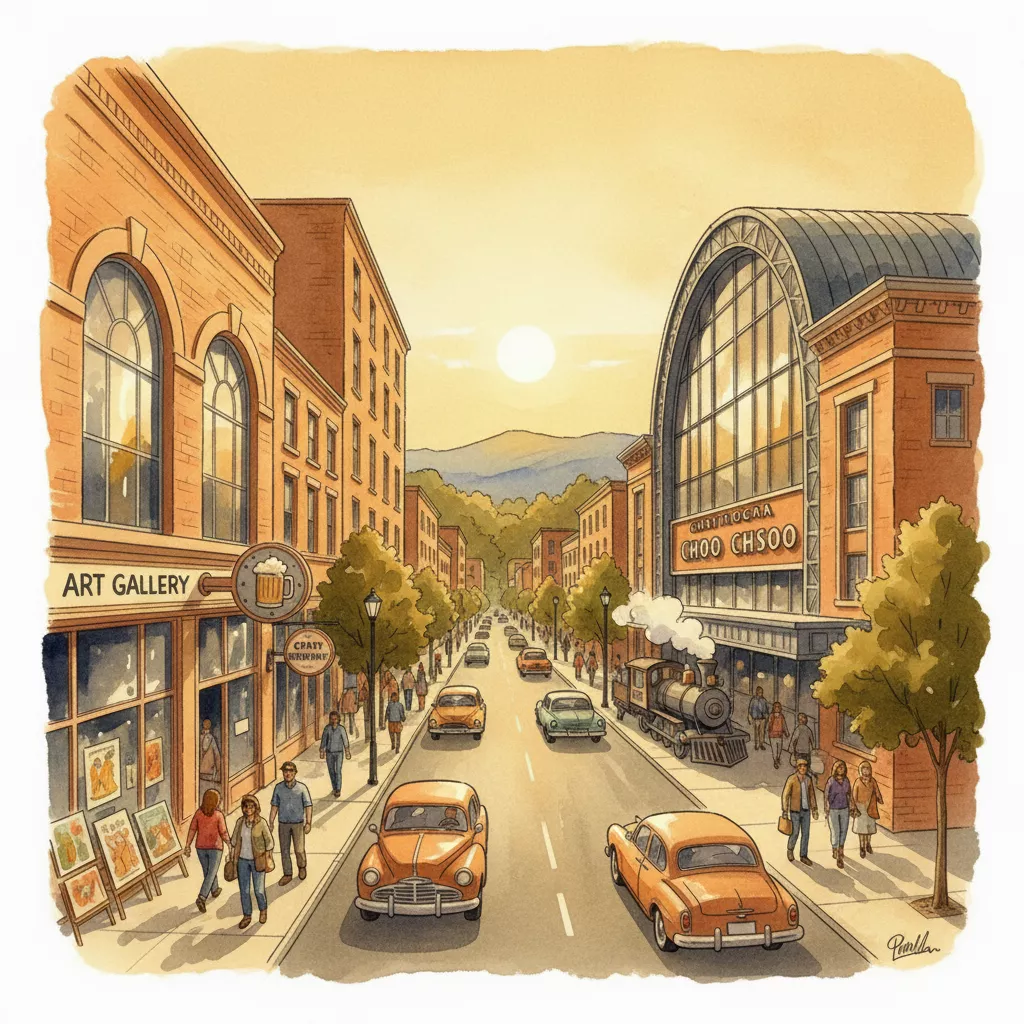
\nSouthside is Chattanooga's brewery and arts district. It's grittier than the North Shore, more creative, and more affordable (though that gap is closing). The restaurant scene here punches above its weight. Best for: creatives, beer lovers, people who want character over polish.
\n\nSignal Mountain & Lookout Mountain
\nSignal Mountain and Lookout Mountain are the mountain communities - literally. Winding roads, cooler temperatures, incredible views, excellent schools. The trade-off is a 20-30 minute commute into town and limited dining options up top. Best for: families with school-age kids, people who prioritize nature and quiet, anyone who wants to feel like they live in the mountains.
\n\nEast Brainerd / Ooltewah
\nEast Brainerd is the suburban hub. Hamilton Place Mall, every chain restaurant you can name, and a lot of newer construction. It's practical, affordable relative to the city core, and has easy highway access. Best for: families, people relocating for work on the east side, anyone who values convenience and newer homes over walkability.
\n\nHixson
\nHixson is north of the river, quietly affordable, and close to Chester Frost Park and the lake. It's not flashy, but it's a solid choice for families who want space without the mountain commute. The bakery and coffee scene up here has gotten surprisingly good.
\n\nRed Bank & St. Elmo
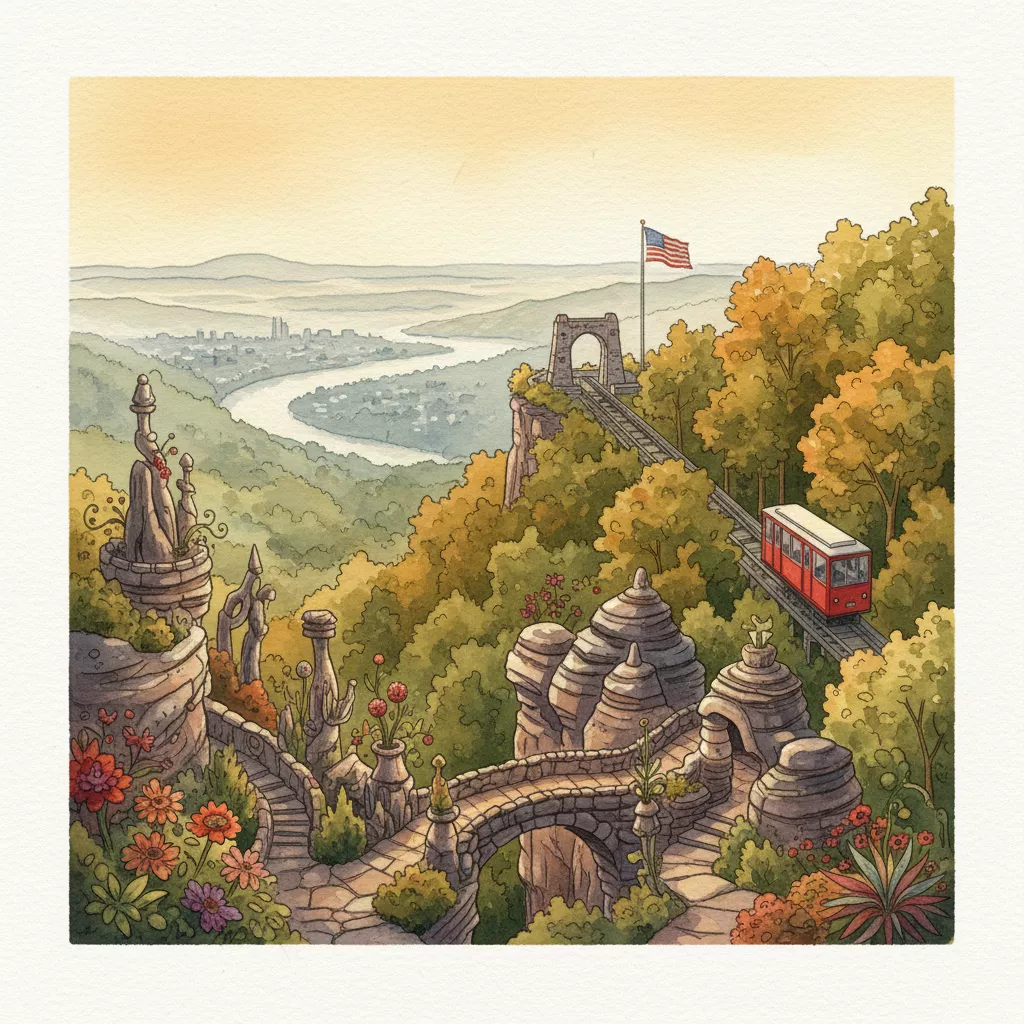
\nRed Bank is the affordable urban alternative - its own small city just north of downtown with a growing food scene and quick access to everything. St. Elmo sits at the base of Lookout Mountain with the Incline Railway, historic homes, and a tight community feel. Both are great for people who want character and proximity without downtown prices.
\n\nFor the deep dive on each area, check out our full neighborhoods guide.
\n\nThe Job Market
\nChattanooga's economy has diversified a lot over the past decade. The old joke about it being an insurance town isn't totally wrong - Unum and Blue Cross Blue Shield are still major employers - but the picture is much bigger now.
\nMajor employers: Volkswagen (the assembly plant in Enterprise South employs several thousand), Amazon (distribution center), Erlanger Health System, CHI Memorial, TVA, and the school system.
\nTech scene: EPB's municipal fiber-optic network (gigabit internet since 2010) put Chattanooga on the tech map. The city has branded itself "Gig City" and attracted a cluster of startups and tech companies. The Innovation District downtown has incubators, co-working spaces, and a growing tech community. It's not Austin or Raleigh, but for a city this size, the tech ecosystem is real.
\nRemote work: If you work remotely, Chattanooga is almost unfairly good. Low cost of living plus no state income tax plus gigabit internet plus mountains out your window. A lot of the city's recent population growth comes from remote workers who figured this math out during COVID and never went back.
\nHealthcare: The healthcare sector is one of the largest employers. Erlanger, CHI Memorial, and Parkridge have facilities spread throughout the metro area.
\n\nGetting Around
\nLet's be honest - you need a car. Chattanooga has a bus system (CARTA) and a free downtown electric shuttle, but if you live anywhere beyond the city core, driving is your life. The good news: traffic is nothing compared to Nashville or Atlanta. Your "bad" commute here is 25 minutes.
\nThat said, if you live and work downtown or on the North Shore, you could go car-light. Bike infrastructure has improved, the Riverwalk connects major areas, and walking is legit viable in the urban core. But for groceries, weekend trips, and getting to the mountains, you'll want wheels.
\nHighway access: I-24 connects to Nashville (2 hours) and I-75 connects to Atlanta (1.5 hours) and Knoxville (1.5 hours). The intersection of these two interstates makes Chattanooga surprisingly well-connected for weekend trips.
\nThe airport: Chattanooga Metropolitan Airport (CHA) is small and easy. Direct flights to a handful of cities (Charlotte, Dallas, Chicago, Atlanta). For more options, Nashville and Atlanta airports are both under 2 hours away.
\n\nThe Outdoor Lifestyle
\nThis is Chattanooga's ace card. The outdoor access here rivals cities three times its size.
\nHiking: World-class trails within 15 minutes of downtown. Sunset Rock, Stringer's Ridge, the Cumberland Trail, Cloudland Canyon - you could hike a different trail every weekend for a year.
\nClimbing: Chattanooga is a destination for rock climbers. The Tennessee Wall, Sunset Rock bouldering, and the climbing gyms (High Point) keep the community active year-round.
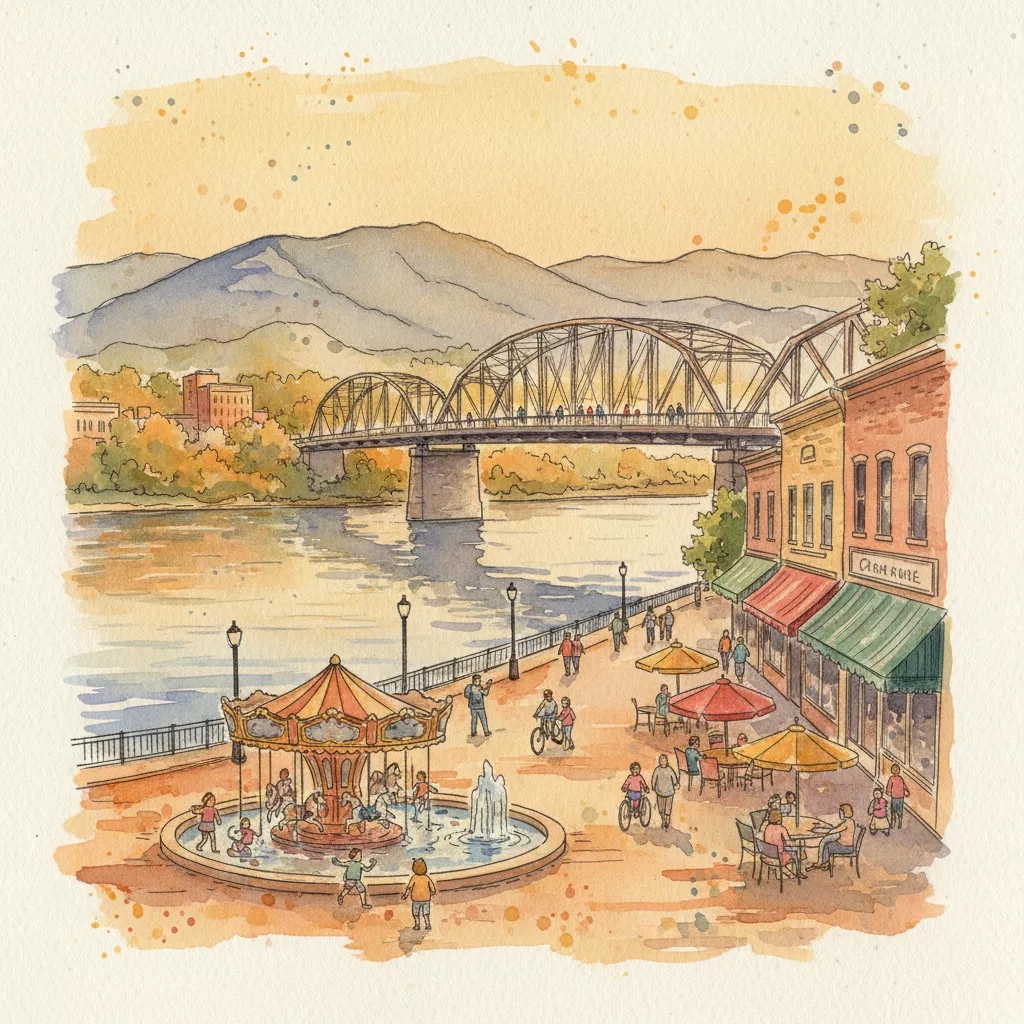
\nWater: The Tennessee River runs right through town. Kayaking, paddleboarding, and the Southern Belle Riverboat are all options. Chester Frost Park gets you on the lake. The Ocoee River is 45 minutes east for whitewater rafting.
\nBiking: Mountain biking at Raccoon Mountain and Enterprise South Nature Park. Road biking along the Riverwalk and into the surrounding countryside. The city has been adding bike lanes and greenways steadily.
\nFor the full rundown, read our outdoor adventures guide.
\n\nFood and Drink
\nChattanooga's food scene has grown up fast. This isn't a city where you're stuck choosing between chains and BBQ (though the BBQ is excellent).
\nThe restaurant scene ranges from the high-end (STIR, Alleia, Easy Bistro) to killer casual spots like Champy's fried chicken and Niedlov's bread-and-soup lunch. The restaurant scene guide covers the highlights.
\nCoffee is serious here. Local roasters and cafes dot every neighborhood - Frothy Monkey, Mean Mug, Velo, Rêve Coffee and Books.
\nAnd the brewery scene is legit. The Southside brewery district alone has Hutton & Smith, OddStory, and Wanderlinger within walking distance of each other.
\nThe brunch scene is strong too, if Sunday mornings are your thing.
\n\nSchools and Families
\nSchools are the thing everyone asks about - and the answer depends entirely on where you live.
\nHamilton County Schools is the public school district for the whole county. Like most urban districts, quality varies significantly by area. Some schools are excellent (Signal Mountain, Normal Park, CSAS). Others are struggling.
\nTop public schools: Signal Mountain Middle/High and Lookout Mountain Elementary get consistently high marks. Normal Park Museum Magnet in the city is a popular choice. CSAS (Chattanooga School for the Arts & Sciences) is a public magnet downtown that's competitive to get into.
\nPrivate schools: Baylor, GPS (Girls Preparatory School), McCallie, Boyd-Buchanan, and Notre Dame are the main private options. Baylor, GPS, and McCallie are particularly well-regarded, with strong athletics and college prep programs.
\nHomeschooling: Tennessee is relatively homeschool-friendly. There's an active local homeschool community with co-ops and meetup groups.
\nFor families with young kids, the parks situation is excellent (see our parks guide), the Creative Discovery Museum is a gem, and the Tennessee Aquarium does family memberships that pay for themselves in three visits.
\n\nWeather
\nChattanooga gets four real seasons, which is one of its underrated perks if you're coming from Florida or Southern California.
\n- \n
- Spring (March-May): Beautiful but unpredictable. Dogwoods and azaleas bloom everywhere. Temperature swings of 30 degrees in a single week are normal. Tornado watches happen a few times a year - take them seriously but don't panic. \n
- Summer (June-August): Hot and humid. Highs in the upper 80s to mid-90s. The mountains provide some relief, and the river keeps things slightly cooler than inland areas. You'll learn to plan outdoor activities for mornings. \n
- Fall (September-November): The best season. Lookout Mountain and Signal Mountain turn spectacular colors. Temps drop to the 60s-70s. This is when Chattanooga is at its most beautiful. \n
- Winter (December-February): Mild by northern standards. Average highs in the 40s-50s. Snow is rare - maybe one or two events per year, usually melting within a day. The city shuts down when it does snow because nobody has snow tires and the mountain roads get icy. \n
Culture and Community
\nChattanooga is big enough to have things to do every weekend and small enough that you'll start recognizing people at your regular spots. That balance is hard to find, and it's a big part of why people fall in love with this place.
\nThe arts scene includes the Hunter Museum (perched on the river bluffs with a stunning building alone worth visiting), the Tivoli Theatre for touring shows, The Signal and Barrelhouse Ballroom for live music, and a growing gallery scene on the Southside.
\nCommunity involvement runs deep. The Chattanooga Market on Sundays is part farmers market, part community gathering. Volunteer organizations are everywhere. Neighborhood associations actually do things. There's a civic pride here that doesn't feel forced.
\nAnd the city's attitude toward growth is refreshingly pragmatic. People want Chattanooga to grow, but not at the expense of what makes it Chattanooga. You'll hear a lot of "we want to be the best small city, not a worse version of Nashville."
\n\nThe Honest Downsides
\nNo city guide is useful if it pretends there aren't trade-offs. Here's what you should know:
\n- \n
- Limited public transit. If you can't drive, your options are limited. CARTA exists but service is infrequent outside the downtown core. \n
- Healthcare access varies. While there are good hospitals, specialist availability can mean waiting or driving to Nashville or Atlanta for some conditions. \n
- Allergies. The Tennessee Valley is a bowl that traps pollen. Spring allergies are no joke. If you've never had allergies, you might develop them here. \n
- Political reality. Tennessee is a deep red state. Chattanooga's urban core leans blue, but the surrounding county and state government are solidly conservative. This shapes everything from social policy to education funding. \n
- Limited nightlife. If you're coming from a major city, the bar and club scene will feel small. It's gotten much better, but this isn't a city with options until 4 AM. Most things close around midnight on weeknights. \n
- Poverty and inequality. Like many Southern cities, Chattanooga has significant economic inequality. The revitalized downtown areas sit alongside neighborhoods that haven't seen the same investment. It's improving, but it's real. \n
Making the Move: Practical Tips
\nVisit first. Spend a long weekend. Stay in different neighborhoods. Eat at local spots (not chains). Hike at least one trail. Get a feel for the pace.
\nJoin the community early. Check our community groups page for Reddit, Facebook, Discord, and Meetup groups. The Chattanooga subreddit is active and honest. Facebook neighborhood groups are where you'll learn about the best plumber, which grocery store has the freshest produce, and where not to park.
\nInternet matters. If you work remotely, make sure your address is in EPB's fiber service area. Most of the city proper is covered, but some outlying areas rely on Comcast or other providers.
\nTiming. The housing market gets competitive in spring. If you can, lock down housing in winter when there's less competition. If you're renting first, the North Shore and downtown apartments have shorter waitlists in fall and winter.
\nGive it six months. Every transplant says the same thing - the first few months can feel slow, especially if you came from a bigger city. But somewhere around the six-month mark, you've found your coffee shop, your trail, your neighborhood bar, and your Saturday routine. That's when Chattanooga clicks.
\n\nReady to explore? Start with our things to do guide, browse the local business directory, and check out what's happening on the events calendar. Welcome to Chattanooga.
Details about businesses mentioned in this article (hours, offerings, atmosphere, and more) may change or may not be fully accurate. Spot something that needs a correction? Let us know and we'll fix it right away.