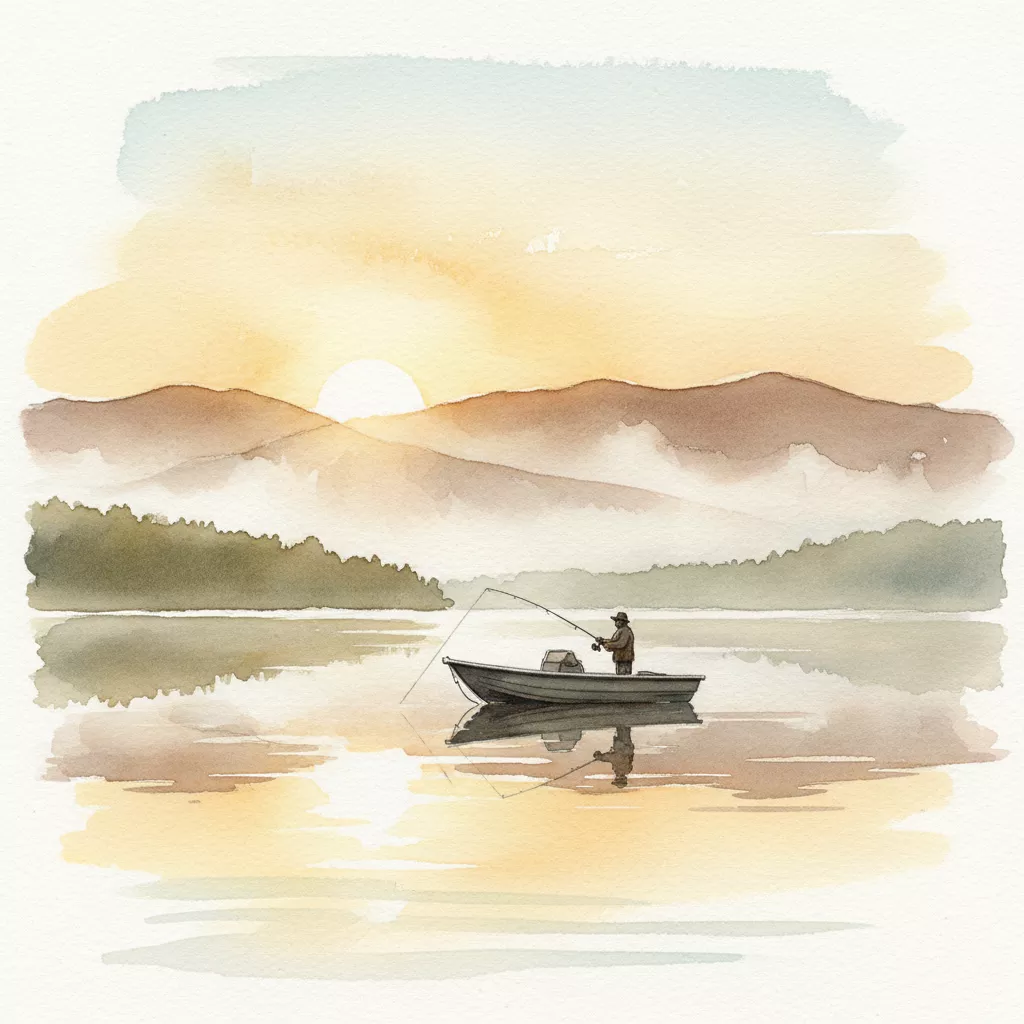
The Tennessee River runs right through downtown Chattanooga, and paddling it gives you a perspective on the city you can't get any other way. Here's where to rent gear, where to launch, and what to know before you go.
The Tennessee River runs right through the heart of Chattanooga, and if you haven't paddled it yet, you're missing one of the best ways to see this city. Kayaking and paddleboarding here isn't just an activity - it's a perspective. The downtown skyline from the water looks different from the road. The gorge west of the city feels remote in a way that's hard to believe you're still inside city limits. And on a hot Tennessee summer day, being on the water is exactly where you want to be.
Whether you've never stepped into a kayak or you're looking for your next local adventure, here's what you need to know about paddling in and around Chattanooga.
The Tennessee River: Your Home Water
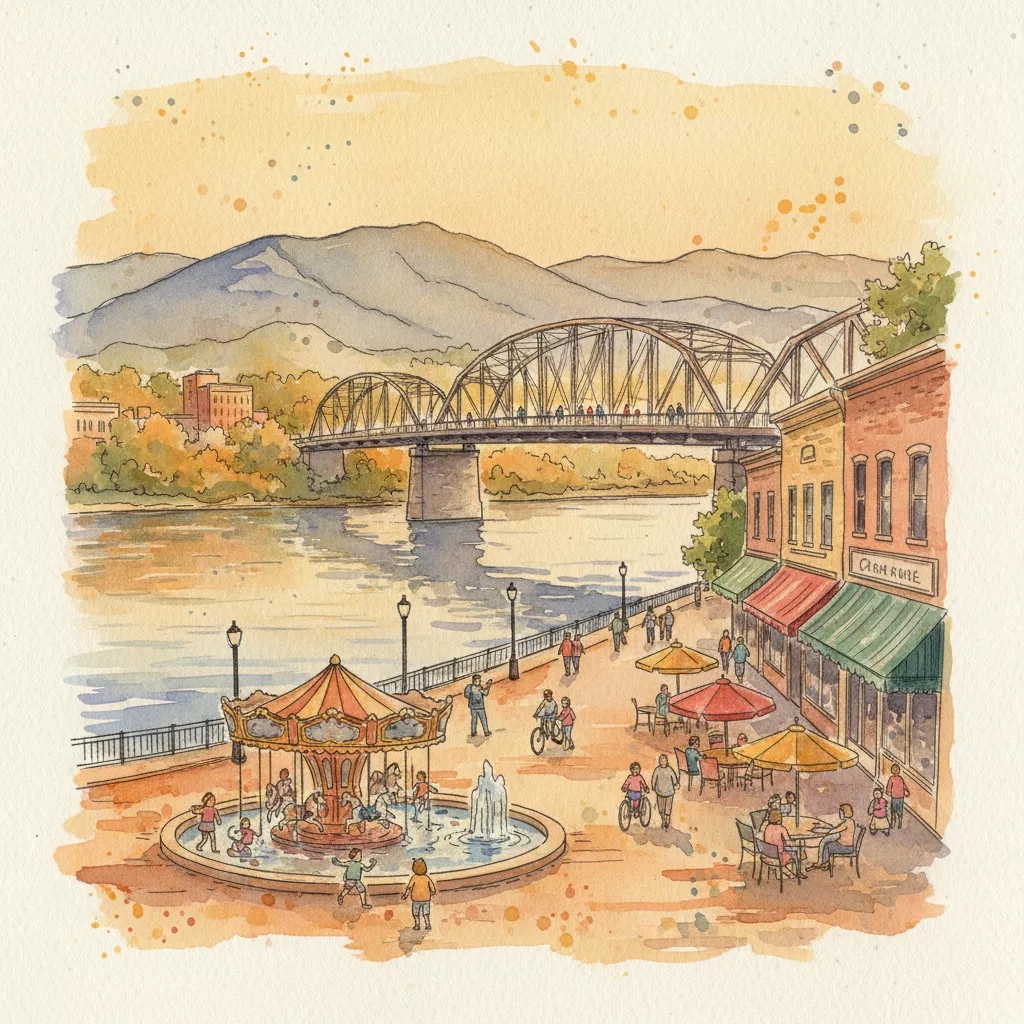
Most paddlers in Chattanooga start on the Tennessee River, and for good reason. The section that runs through downtown is calm enough for beginners - flatwater with minimal current - while still offering genuinely beautiful scenery. You're paddling past Coolidge Park, under the Walnut Street Bridge (one of the longest pedestrian bridges in the world), and within view of the Aquarium and the North Shore neighborhood.
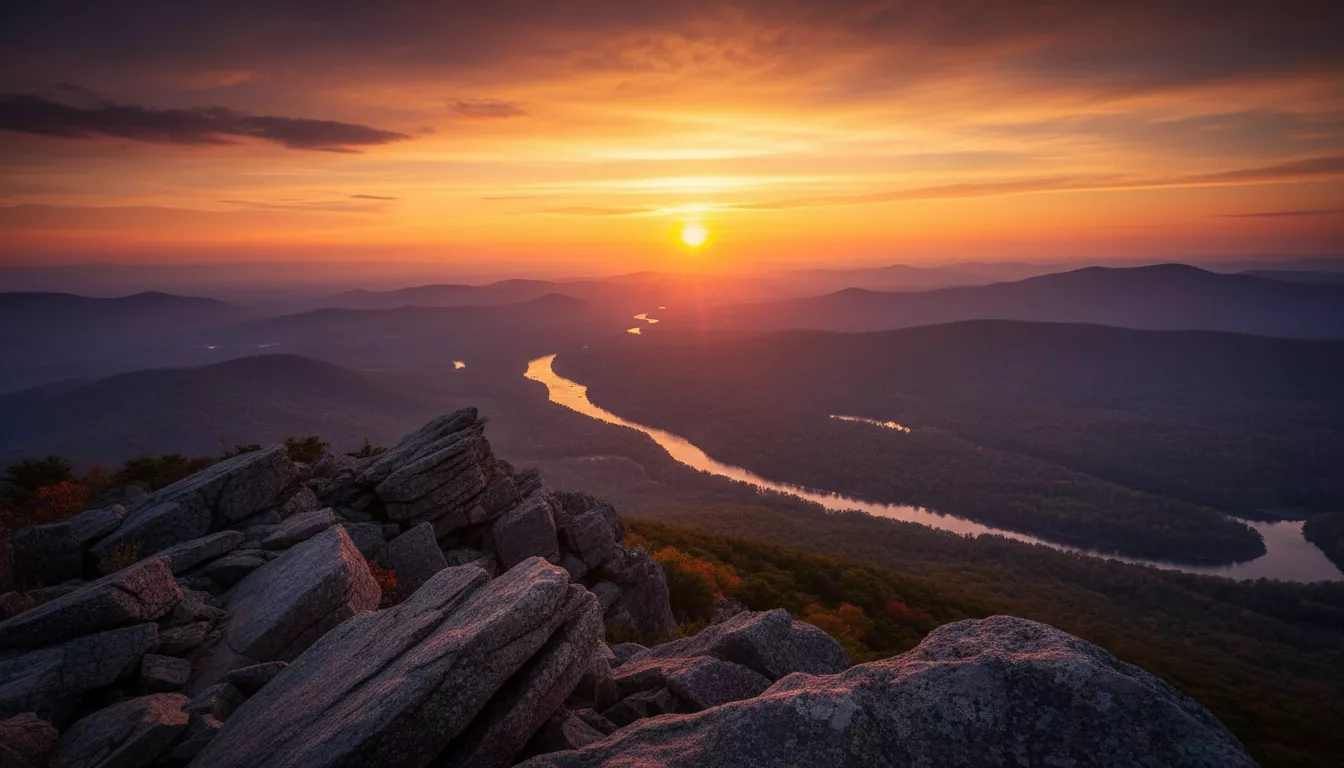
The river widens as you move west toward the Tennessee River Gorge, which locals call "The Grand Canyon of Tennessee." That stretch gets more remote and more dramatic the further you go. This isn't Class III whitewater - it's peaceful flatwater paddling with massive sandstone bluffs rising several hundred feet on either side. It's the kind of scenery that makes you forget you drove 15 minutes to get there.
Where to Rent Gear
L2 Outside
L2 Outside is the most established outfitter for Tennessee River paddling in Chattanooga. They operate out of Coolidge Park on the North Shore, which puts you in one of the best launch spots on the river - flat access to the water with plenty of room to stage gear. They rent kayaks, canoes, and stand-up paddleboards by the hour or by the day, and their staff can answer questions about conditions and routes if you're not sure where to head.
The location is ideal. Coolidge Park has restrooms, a carousel, a splash pad for kids, and direct riverfront access. If you want to make a half-day of it - paddle for a couple hours, grab lunch on the North Shore, then walk back through the park - this is the place to start.
River Canyon Kayaks
River Canyon Kayaks focuses specifically on the Tennessee River Gorge experience. If you want to get away from the downtown tourist corridor and paddle something that feels genuinely wild, this is the operation to book with. They run guided trips into the gorge, which is particularly helpful if you're new to the area - the gorge is large enough that knowing where to go matters.
Guided trips are a smart call for first-time gorge visitors. You get local knowledge about the best pull-off spots, sandbars worth stopping at, and wildlife to look for (bald eagles nest in the gorge and are commonly spotted). Going with a guide means you spend your mental energy on the paddling, not on navigation.
Chickamauga Lake and Chester Frost Park
If you're looking for flat lake paddling rather than river current, Chickamauga Lake is worth the short drive north of the city. Chester Frost Park, on the eastern shore of the lake, has a sandy beach and boat ramps that make for easy access. The lake is wide and calm, with plenty of room to wander without much traffic - it's a different experience from the river, more open and less channeled.
Chester Frost is also one of the better spots in the area to bring a paddleboard if you're focused on flat-water practice. The lake doesn't have the current of the Tennessee River, so you can work on balance and technique without worrying about drifting off course.
North Chickamauga Creek
This one's a bit different. North Chickamauga Creek is better known for its swimming holes than its paddling - the blue-green water and rocky pools are a summer staple for locals. But the upper sections of the creek can be paddled in a canoe or kayak when water levels are right, usually in spring and early summer after rainfall. It's the kind of spot worth exploring if you have your own gear and want something off the beaten path.
The swimming holes alone are worth visiting, even without a kayak. Pack a lunch, bring water shoes, and plan to spend a few hours. Locals tend to find their favorite pools and return to them all summer.
The Ocoee River: When You Want Whitewater
Chattanooga sits close enough to the Ocoee River that it deserves a mention, though it's a fundamentally different experience. The Ocoee is Class III-IV whitewater - the course used for the 1996 Olympics - and it's about 45 minutes east of the city toward the Georgia and North Carolina borders.
If you've got intermediate to advanced kayaking skills and want to push yourself, the Ocoee is one of the better commercial rafting and kayaking rivers in the Southeast. Multiple outfitters operate there, and guided raft trips are available for groups or families who want the whitewater experience without needing prior kayaking skills. It's a full-day excursion rather than a casual paddle, but worth building into a trip if you're in the area for a few days.
When to Go
Late spring through early fall is the prime paddling window in Chattanooga, roughly April through September. Summer days on the water get hot, so an early start helps - aim to be on the water by 8 or 9 a.m. if you're paddling in July or August. The Tennessee River stays warm through summer, so falling in is a feature rather than a bug.
Spring paddling can be beautiful, with the gorge particularly dramatic when tree cover is still light and water levels are higher from winter rains. Fall is underrated - the leaf color in the gorge in October is genuinely stunning, and crowds thin out after Labor Day.
What to Bring
For a half-day on the Tennessee River downtown, you don't need much. Sunscreen and a hat are non-negotiable - the water reflects UV and you'll burn faster than you expect. Water is obvious but easy to underpack. Waterproof phone cases or dry bags for anything you don't want soaked. Most rental operations will provide life jackets (required by law for kayakers on the river).
For gorge trips or anything longer, add snacks, a change of clothes in a dry bag, and sandals or water shoes you can walk in. The gorge has some nice spots to pull out and explore, and you'll want footwear that works on both rock and sand.
Getting to the Water
The easiest put-in for downtown paddling is at Coolidge Park on the North Shore - take Frazier Avenue north from the Walnut Street Bridge and the park entrance is on the right. There's parking in the lot and the riverbank access is paved and accessible.
For Chester Frost Park on Chickamauga Lake, take Highway 153 north from downtown about 12 miles to Gold Point Circle. The park charges a small entry fee. For the gorge, your outfitter will give you a specific meeting point - launches typically happen at designated spots off Suck Creek Road west of downtown.
Pair It With Lunch
One of the best parts about paddling out of Coolidge Park is the built-in excuse for a good lunch afterward. The North Shore has a dense concentration of restaurants within walking distance of the park. Our guide to the North Shore covers the neighborhood in full, but a few spots worth knowing: Mama Bear Burgers does smashburgers on the North Shore, Taco Mamacita has been a neighborhood staple for years, and Mean Mug Coffeehouse works well if you want to refuel before rather than after.
If you're heading to the gorge or Chester Frost, plan to pack a lunch or stop in St. Elmo or Lookout Valley on the way back into town. Our day trip guide has more on making the most of a day out of the city core.
Things to Do Nearby
Paddling pairs naturally with Chattanooga's outdoor scene. If you're spending a full day outside, the Things to Do in Chattanooga page has the full roster of outdoor options - from hiking Stringer's Ridge and Raccoon Mountain to climbing at High Point. The city is well-set up for stringing together a full outdoor day without much driving.
For something a bit different on the water, the Southern Belle Riverboat runs sightseeing cruises on the Tennessee River - a more relaxed way to see the same waterway you're paddling.
A Word on Conditions
The Tennessee River is flatwater and generally forgiving, but it's still a large river and conditions can change. Check the weather before you go - afternoon thunderstorms are common in summer and you don't want to be on open water when lightning shows up. The river has a modest current that's manageable when paddling back upstream, but if you're not used to it, staying near the banks makes the return easier.
The gorge is remote enough that getting in trouble there is more serious than on the downtown stretch. If you're going in, go with a guide the first time or with someone who knows it well. It's not dangerous for careful paddlers, but the isolation cuts both ways - it's part of what makes it great, and part of what makes judgment matter more out there.
Details about businesses mentioned in this article (hours, offerings, atmosphere, and more) may change or may not be fully accurate. Spot something that needs a correction? Let us know and we'll fix it right away.