From world-class bouldering at Stone Fort to indoor gyms downtown, Chattanooga is one of the best climbing cities in the Southeast. Here is everything you need to know.
Chattanooga has quietly become one of the best climbing cities in the Southeast. Within a 45-minute drive, you have world-class bouldering, multi-pitch sport routes on sandstone cliffs, and three well-equipped indoor gyms for the days when weather does not cooperate. The Tennessee River Valley creates a landscape of bluffs, gorges, and rock formations that climbers have been drawn to for decades.
Whether you are a beginner looking to try climbing for the first time or an experienced climber passing through on a road trip, this guide covers everything you need to know about climbing in and around Chattanooga.
Indoor Climbing Gyms
Chattanooga's indoor climbing scene has grown significantly in recent years, with three facilities covering everything from bouldering to lead climbing to fitness training.
High Point Climbing and Fitness - Downtown
High Point Downtown at 219 Broad Street is the flagship gym and the one most visitors will encounter first. Located right in the heart of downtown, it is walkable from hotels, restaurants, and the riverfront. The facility features tall lead walls, top-rope routes, and a substantial bouldering area with routes that rotate frequently. A 4.6-star rating across 490 reviews reflects a gym that does the fundamentals well - clean holds, thoughtful route setting, and a welcoming atmosphere for newcomers. Day passes are available for visiting climbers, and rental gear is on hand if you are traveling light.
High Point Climbing and Fitness - Riverside
High Point Riverside at 1007 Appling Street is the newer, larger sibling. The Riverside location expanded the bouldering area significantly and added more fitness amenities - weights, cardio, yoga space - making it a hybrid climbing gym and fitness center. At 4.7 stars from 206 reviews, the Riverside location tends to draw more of the dedicated climbing crowd. The route setting leans slightly harder here, and the bouldering problems reflect a community that pushes progression. If you are an experienced climber choosing between the two locations, Riverside is probably your spot.
Synergy Climbing and Ninja
Synergy Climbing and Ninja at 427 East Main Street on the Southside takes a different approach. Along with climbing walls, Synergy incorporates ninja warrior-style obstacle courses - think warped walls, salmon ladders, and rope swings alongside traditional bouldering and top-rope. This makes it especially popular with families and younger climbers. A 4.8-star rating from 159 reviews suggests they are doing something right. If you have kids who are curious about climbing, or if you want something more varied than a pure climbing gym, Synergy fills that gap nicely.
Outdoor Bouldering
The real draw for serious climbers is not inside a gym - it is outside on sandstone that has been drawing boulderers from across the country for years.
Stone Fort (Little Rock City)
Stone Fort, also known as Little Rock City, is the jewel of southeastern bouldering and the single biggest reason climbers make pilgrimages to Chattanooga. Located on Lookout Mountain within a short drive of downtown, this area contains hundreds of boulder problems spread across sandstone formations in a forest setting. The stone quality is exceptional - featured, textured sandstone with natural edges, slopers, and crimps that reward technique over brute strength.
Problems range from V0 warm-ups on friendly slabs to V12+ test pieces that have drawn professional climbers. The classic moderates - problems in the V3 to V6 range - are what make Stone Fort special for most visitors. Routes like "Golden Harvest" (V4) and "Blood On The Tracks" (V5) are on tick lists across the country.
Access runs through the Southeastern Climbers Coalition (SCC), which manages the land in partnership with local agencies. Current access requires checking the SCC website for the latest trail conditions and any seasonal closures. A crash pad, climbing shoes, and chalk are all you need. The approach hike is short - most problems are within a 15-minute walk from parking.
Season matters at Stone Fort. The best conditions are October through April, when temperatures drop and humidity decreases. Sandstone is notoriously friction-dependent, and summer humidity makes the rock feel slick. Winter sends - particularly on crisp, dry days in December and January - are when the stone climbs its best.
Sunset Rock
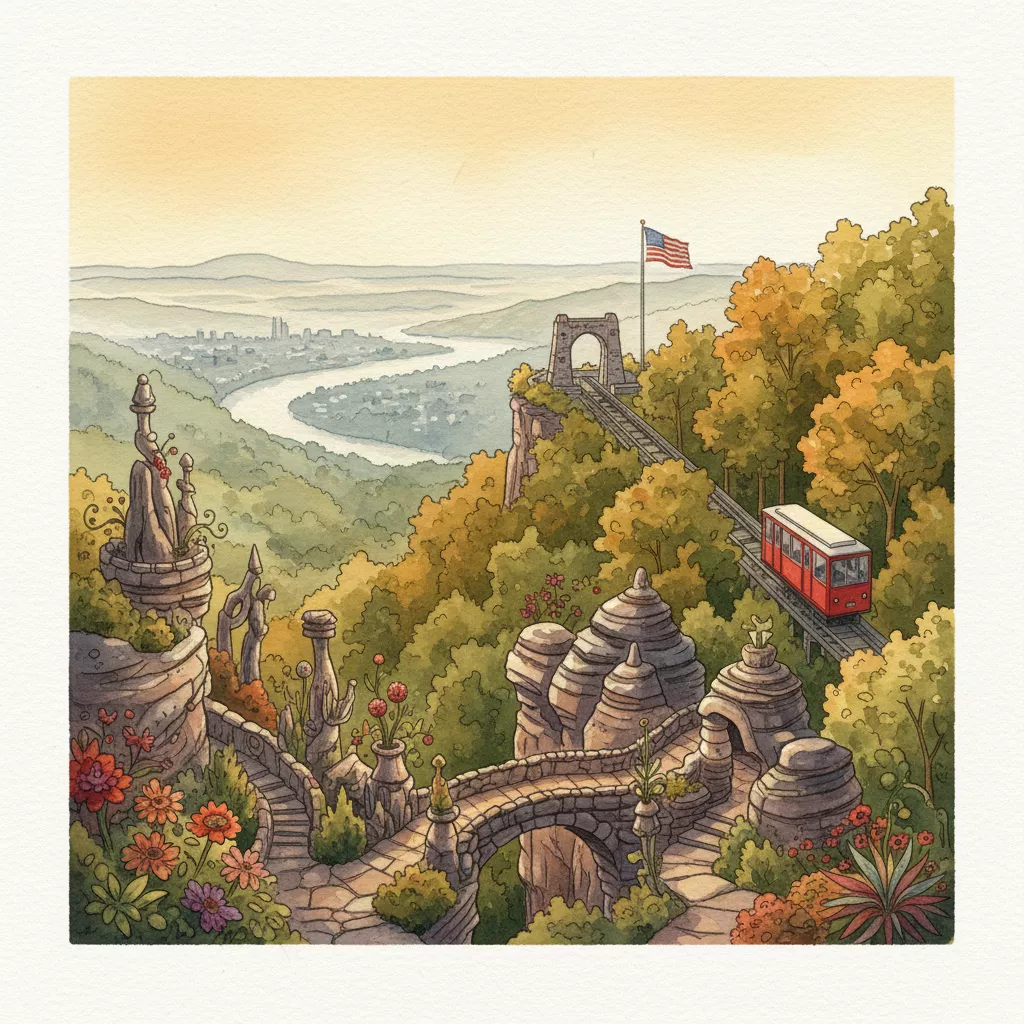
Sunset Rock on Lookout Mountain is a more accessible outdoor climbing spot, popular for both bouldering and top-rope. The area sits within a park and offers panoramic views of Chattanooga and the Tennessee Valley - the same views that make it a popular sunset-watching spot for non-climbers. The bouldering here tends toward easier problems, making it a reasonable outdoor introduction for gym climbers looking to transition outside. The approach is easy and the setting is beautiful, though the rock quality is a step below Stone Fort.
Sport Climbing and Roped Routes
If you climb on a rope, the Chattanooga area has you covered with some of the best sandstone sport climbing in the Southeast.
Foster Falls
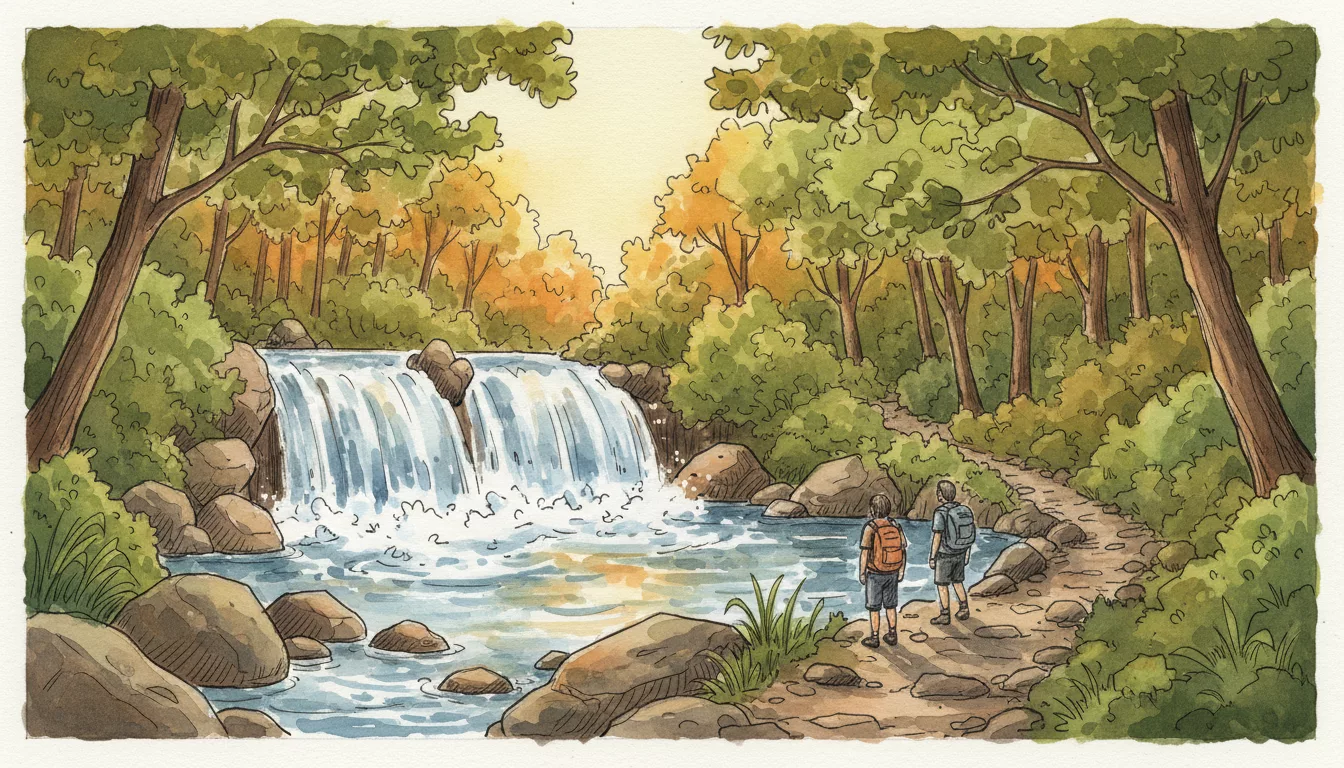
Foster Falls, about 45 minutes west of Chattanooga in the South Cumberland State Park, is the area's premier sport climbing crag. The main wall rises 80 feet above a gorgeous forested gorge, with a waterfall visible from some belay stances. Routes run from 5.7 to 5.13, with the strongest concentration of quality lines in the 5.10 to 5.11 range.
The wall faces north, which keeps it shaded and climbable even during warmer months - a significant advantage when other crags in the region bake in the sun. The approach involves a descent into the gorge on a well-maintained trail, with a wooden staircase at the steepest section. It is a 15 to 20-minute walk from the parking area to the base of the wall.
Foster Falls requires a state park parking pass, available at the trailhead. Bring a 70-meter rope and a standard sport rack of 12 to 15 quickdraws.
Tennessee Wall
Tennessee Wall (T-Wall) is a sandstone crag closer to the city, roughly 30 minutes from downtown. The routes here tend toward the harder end of the spectrum - mostly 5.11 and above - and the style leans toward crimpy, technical face climbing. The wall is broken into several sectors, each with its own character.
T-Wall is not the place for a first outdoor lead. But for experienced sport climbers, it offers some of the best movement on stone in the region. The crag has a strong local community, and weekday evening sessions are common during the spring and fall seasons.
Denny Cove
Denny Cove, also in the South Cumberland area, is a newer addition to the sport climbing scene. The wall features long, steep routes - some reaching 100 feet - on high-quality sandstone. The grades skew hard (5.11 and up), and the style demands endurance. It is a destination crag for strong climbers, not a casual afternoon spot, but the quality of the stone and the route setting is excellent.
Gear and Supplies
Chattanooga has solid options for climbing gear. Outdoor stores in the area carry crash pads, shoes, chalk, and hardware. If you need to rent a crash pad for a bouldering trip to Stone Fort, check with the local gyms - both High Point locations sometimes have rentals available, and the staff can point you toward current beta on outdoor areas.
For a broader selection of outdoor gear and supplies, downtown and the Southside have several shops catering to the outdoor recreation crowd that Chattanooga attracts.
Best Time to Climb
The climbing calendar in Chattanooga breaks down roughly like this:
October through December: Prime season. Temperatures drop into the comfortable range, humidity falls, and sandstone friction peaks. This is when Stone Fort is at its best, and sport crags like Foster Falls and T-Wall climb beautifully. Expect company at popular boulders on weekends.
January through March: Still good, sometimes excellent. Cold snaps bring the best friction of the year, but also shorter days and the occasional rain-out. Layering is essential. The winter guide has more on what to expect.
April through May: Spring brings warmer temps and longer days. Conditions are still reasonable for outdoor climbing, especially at shaded crags like Foster Falls. The forest canopy fills in, making some boulder areas more pleasant.
June through September: Indoor season for most climbers. Humidity climbs past 70% and temperatures regularly hit the 90s. Sandstone becomes greasy, and sends that were casual in November become projects in July. The indoor gyms stay busy during summer months.
Tips for Visiting Climbers
A few things worth knowing if you are coming to Chattanooga specifically to climb:
Check access before you go. Stone Fort, T-Wall, and Denny Cove all have specific access guidelines maintained by the Southeastern Climbers Coalition. Trail closures happen occasionally, especially after heavy rain. The SCC website and their social media accounts are the most current sources.
Sandstone rules apply. Never climb on wet sandstone - it damages the rock permanently by pulling off crystals that would otherwise stay intact. If it rained in the last 24 to 48 hours, stick to the gym. This is not a suggestion; it is a stewardship principle that the local climbing community takes seriously.
Respect access. Some of these crags exist on conserved land that climbers fought hard to protect and maintain. Pack out everything, stay on established trails, and do not trundle loose rock. The SCC has invested years of volunteer work and fundraising to keep these areas open.
Stay and explore. Chattanooga is a great base camp for a climbing trip. The food scene has improved dramatically in recent years, the nightlife is solid, and the city is walkable enough that you can leave the car parked after a day at the crag. A weekend trip can easily stretch to a week - climb in the morning, eat and explore in the afternoon, and plan tomorrow's sends over a beer at one of the local breweries.
Crash pad logistics. If you are flying in, renting a crash pad locally is your best bet. Driving in from nearby cities like Atlanta, Nashville, or Knoxville, bring your own gear - the drive is under three hours from all three. For more on getting to and from Chattanooga, check our day trips guide.
Climbing and the Chattanooga Outdoor Scene
Rock climbing is one piece of a broader outdoor culture that defines Chattanooga. The city sits at the convergence of mountains, rivers, and gorges in a way that makes outdoor recreation central to daily life rather than a weekend novelty. Climbers who visit often discover hiking trails on the same bluffs they climb, riverfront paths for recovery days, and a community of outdoor-minded people who moved here specifically because the access is this good.
The climbing community in Chattanooga is tight-knit and generally welcoming. Gym sessions at High Point turn into crag partnerships. Beta is shared freely, and it is not unusual to meet locals at Stone Fort who will walk you to their favorite problems. That combination of world-class stone and a generous community is what keeps climbers coming back - and what convinces many of them to stay.
Details about businesses mentioned in this article (hours, offerings, atmosphere, and more) may change or may not be fully accurate. Spot something that needs a correction? Let us know and we'll fix it right away.